
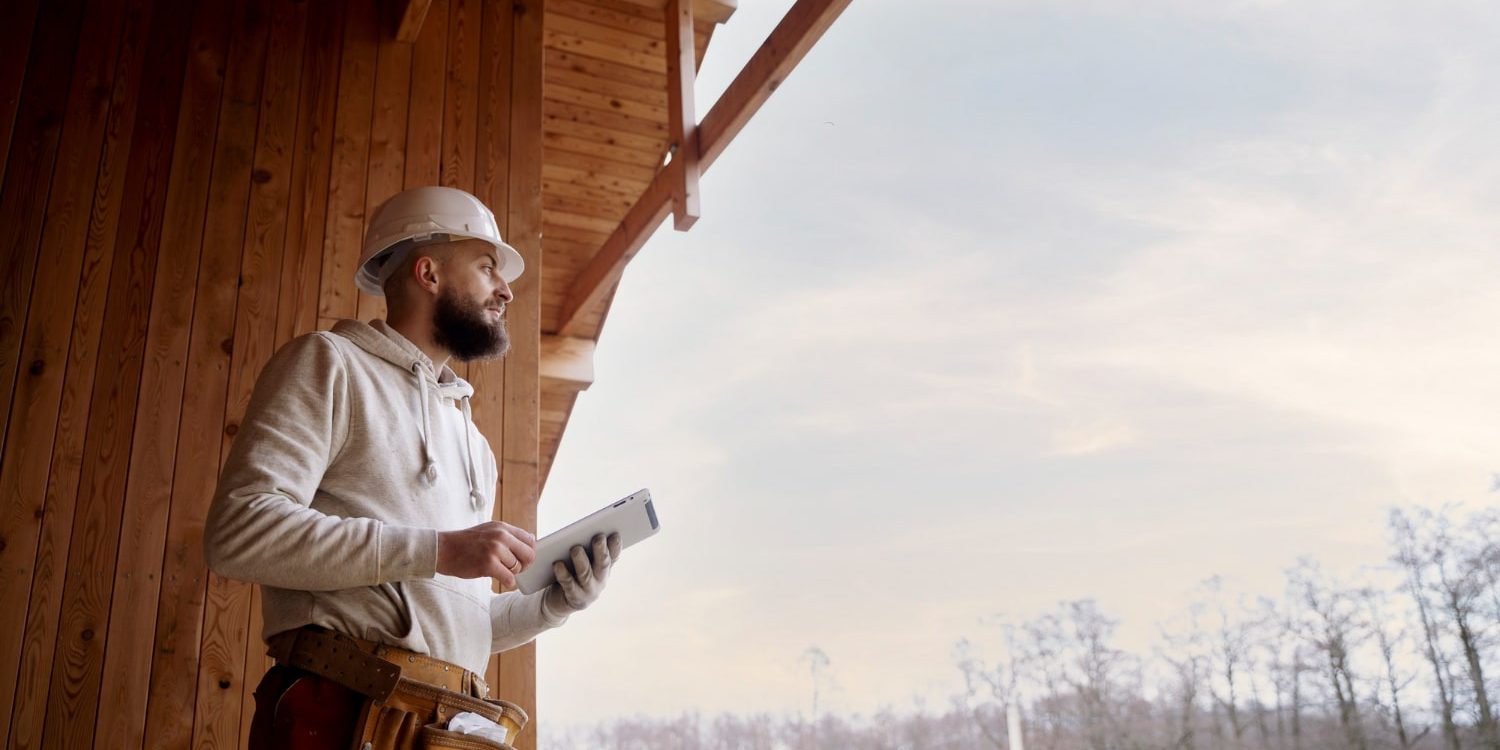
Winter can slow down more than just your travel plans. If you’re building a house, you might be surprised by how much a cold shift in weather can affect your timeline. We’ve seen firsthand how seasonal changes, especially in our part of the Hill Country, can cause delays on the job site. It’s not always something you can see from the outside, but it matters.
New construction homes in the Texas Hill Country face some unique seasonal challenges once winter rolls in. Even when planning is solid and crews are experienced, certain delays can still happen. Cold fronts, shorter days, and damp site conditions all come into play. These aren’t deal-breakers, but knowing about them ahead of time can help set the right expectations.
How Cold Affects Building Materials
Some materials just don’t perform well when the temperature drops. We always try to work with conditions we can trust, but once winter sets in, that gets trickier.
• Paint and adhesives have trouble sticking in cooler air. They need time and the right temperature to cure, and rushing that part can create problems later.
• Some surfaces and materials turn brittle in the cold, making them harder to handle or more likely to crack.
• Concrete presents one of the biggest concerns. During cold snaps, it can take longer to cure, and if poured at the wrong time, it might not bond correctly.
We plan for these things, of course, using adjusted timelines and cold-weather techniques. But the bottom line is, the colder it gets, the more patience the job requires. It’s not just the speed of progress that shifts, but the extra checks and adaptation needed to keep things on track and prevent future issues.
Shorter Daylight Hours Mean Less Build Time
In the Texas Hill Country, the days start to feel shorter by the time mid-winter hits. That doesn’t just change the way we plan ahead, it affects what we can get done on site each day.
• With sunset arriving earlier, building crews lose a couple of good working hours during daylight.
• Inspections may be delayed too, especially if city offices adjust winter schedules or close off earlier.
• When outside vendors or delivery services fall behind, the whole job can slow down, not because anything is wrong, just because everyone is working with the same shorter clock.
It’s one more reason we try to make the most of fall, and why builds that continue through winter might need more flexibility in their timeline. When you’re losing those last few hours of light, projects that seemed on pace start moving more slowly, and decisions have to be made faster about what can actually be finished before dusk. This shift isn’t just about less sun, but also sometimes about outdoor lighting limitations, worker safety, and managing the flow of people and materials to get the most from each day.
Moisture and Soil Conditions in the Hill Country
Rain is another tricky part of building in Texas during the winter. While we don’t deal with heavy snow, we can get some pretty wet spells that complicate the worksite.
• Soft ground turns to mud fast when it rains. That makes it tough for trucks and machines to move without causing damage or getting stuck.
• In spots where the soil has more clay, winter moisture can cause it to shift or swell. That changes how we handle foundations or drainage, which sometimes leads to wait times while things settle back down.
• Some delays end up being a call we have to make on the fly, pushing things a day or two until the ground is dry enough to keep going safely.
These are challenges we’re ready for, but they take coordination and a plan, especially after big storm fronts come through. Moisture can affect more than just the ability to pour concrete or move heavy equipment. When the land is soft, it can cause ruts, slow delivery vans, and sometimes delay exterior work like framing or roofing. In addition, site drainage after rainfall may not be obvious at first, but future water flow always matters for long-term home comfort. Knowing how to read the site after a rain and adjust the build as needed is a big part of what keeps quality consistent.
Delays Don’t Always Mean Mistakes
It’s easy to worry when something’s taking longer than expected, especially when you’re excited to see your home come together. But when delays happen in winter, it doesn’t mean something went wrong.
• We adjust plans when needed to protect long-term quality. Rushing through cold weather builds can create issues that aren’t visible right away.
• Some jobs can be done safely and well in winter, while others just aren’t worth forcing. We always prioritize what’s safe and what we can stand behind later.
• Taking the time to do it right often leads to better finishes and fewer follow-ups in the future.
An extra bit of downtime now usually means fewer problems once you move in. That’s why our focus stays on doing each step with care, even if it means the timeline adjusts. It’s understandable to feel frustrated by a slower schedule, but the best builders always stick to a process that lets the home settle, materials cure, and every step reach the finish quality promised. Teams experienced with winter construction know which adjustments are safe and how to take advantage of warm, dry days to get the most important jobs done.
Planning Ahead for New Construction Homes in the Texas Hill Country
There’s a lot that goes into building a custom home, weather being just one part of the puzzle. But when building during or near winter, smart scheduling makes all the difference.
• Starting earlier in the year gives some buffer in case parts of the schedule shift from cold or rain.
• Builders who know the region plan around freeze risks and moisture delays, learning from past winters and always keeping a close eye on what’s coming up.
• Having one team manage both design and build helps too. Custom projects move quicker when communication stays tight, and when issues come up, we can pivot fast.
Meyer Brant Custom Homes partners closely with clients in New Braunfels and Texas Hill Country locations by offering fully customized layouts, careful site evaluation, and transparent timelines. Our in-house design-build approach allows us to react quickly to unexpected seasonal setbacks and still deliver homes that exceed expectations. If you’re thinking ahead, January can be a great time to get started on planning, even if the hammers don’t start swinging just yet. Early planning gives flexibility and allows you to prepare for each step, so weather shifts have less impact and you’re not scrambling to fix timeline surprises later down the road.
Why Seasonal Challenges Make Better Homes
Winter building might move at a slower pace, but that’s not always a bad thing. Some of the best outcomes come from taking the time to let the process work. Even with unexpected slowdowns, we’ve seen these extra days create homes that are stronger, more weather-aware, and better built for year-round living.
Meyer Brant Custom Homes specializes in timeless architectural details, regionally inspired exteriors, and energy-efficient features designed for Hill Country weather. Our knowledge of the unique landscape around New Braunfels, Texas Hill Country, and our commitment to personal service set us apart from other luxury builders in the area.
Planning ahead for new construction homes in the Texas Hill Country is easier when you have inspiration and know what design elements work well in our unique setting. At Meyer Brant Custom Homes, we’ve built homes that blend seamlessly with the local climate and lifestyle, from spacious covered porches to refined stonework and practical touches. Exploring exterior options early helps ensure a smoother building process. For ideas and regional style inspiration, explore our past new construction homes in the Texas Hill Country. If you have questions or want to discuss your timeline, contact us and we’ll guide you through every step.