
Most people have questions when they start thinking about luxury home construction in the Texas Hill Country. The land is different here. The style is too. And so much can depend on timing, weather, and how closely someone works with a builder. Building a custom home is a big deal, and it’s completely normal to want to understand how the process fits together before it all begins.
We walk families through designs, make choices that fit local conditions, and plan ahead so construction works with the land, not against it. Whether you’re dreaming about a forever home or finally breaking ground on that long-held plan, it helps to know what to expect before the first shovel hits the dirt.
What Makes the Hill Country Different for Home Building
The Hill Country is known for its rolling views, thick trees, and rocky soil. These things aren’t obstacles, they’re just part of what makes building here unique. We don’t usually get long winters or heavy snow, which lets homebuilders work through the colder months and get ahead before spring.
• Land here often slopes, which affects where you place the house and how water moves across a lot
• Summers are hot and hard on materials, so we make choices that cool the home naturally and last long
• Building styles use natural materials like limestone, cedar, and metal that handle the climate well and feel timeless
Even driveways, porches, and outdoor spaces are shaped by the terrain. That’s why we like to plan around what the land gives us instead of forcing it to change.
Meyer Brant Custom Homes uses site-specific planning and design development based on the unique slopes, tree cover, and views each homesite offers. You can see how these factors shape both driveways and home positioning on our project exteriors page.
Common Questions About the Custom Build Process
One of the biggest questions we hear is, what happens after someone says yes to a custom home? The process doesn’t start with a hammer. It usually starts with walking the land, understanding layout needs, and sketching out design ideas for the house, inside and out.
• We start with site prep, which includes clearing, grading, and making sure water will drain away from the home
• Foundation work is next, shaped around the slope and soil type we’re working with
• After that, framing, rough-ins, and finishes follow in an order that lets each stage build on the last
Along the way, each family has a part to play too. Some like to be highly involved, others prefer regular updates without getting into every tiny detail. Either way works. We plan meetings and walk-throughs that keep things feeling clear without letting it get overwhelming.
Our process includes in-person site meetings and ongoing walk-throughs so families can experience how their home takes shape on their land, which is highlighted in our in-house services.
Choices That Matter Most During Design
Designs in the Hill Country need to match the weather and look right on the land. Large windows feel great when they capture morning light, but they need the right placement to avoid beating afternoon sun. Covered porches are more than just pretty, they’re practical, giving shade in summer and letting in warm light during the colder months.
• Natural materials like wood, stone, and neutral colors help the home blend with the setting
• Open layouts with clear lines of sight make the home feel roomy but still cozy in cooler weather
• Indoor-outdoor transitions, like folding doors or pass-through windows, stretch the usefulness of every square foot
Lighting, flooring, even how air flows through the home vary based on the season. With thoughtful planning, we help homeowners choose details that work in July heat just as well as they do during a quiet January morning.
Understanding the Timeline From Start to Finish
The full build of a custom home doesn’t happen overnight. People often ask how long the process takes, and the truth is, it depends on size, design changes, and weather. But there are some patterns we look for and ways to stay ahead of the busy season.
• Early planning, especially if started in winter, gives space for design and permits without the spring backlog
• Land prep and foundation work can take a few weeks to a couple of months depending on slope and soil
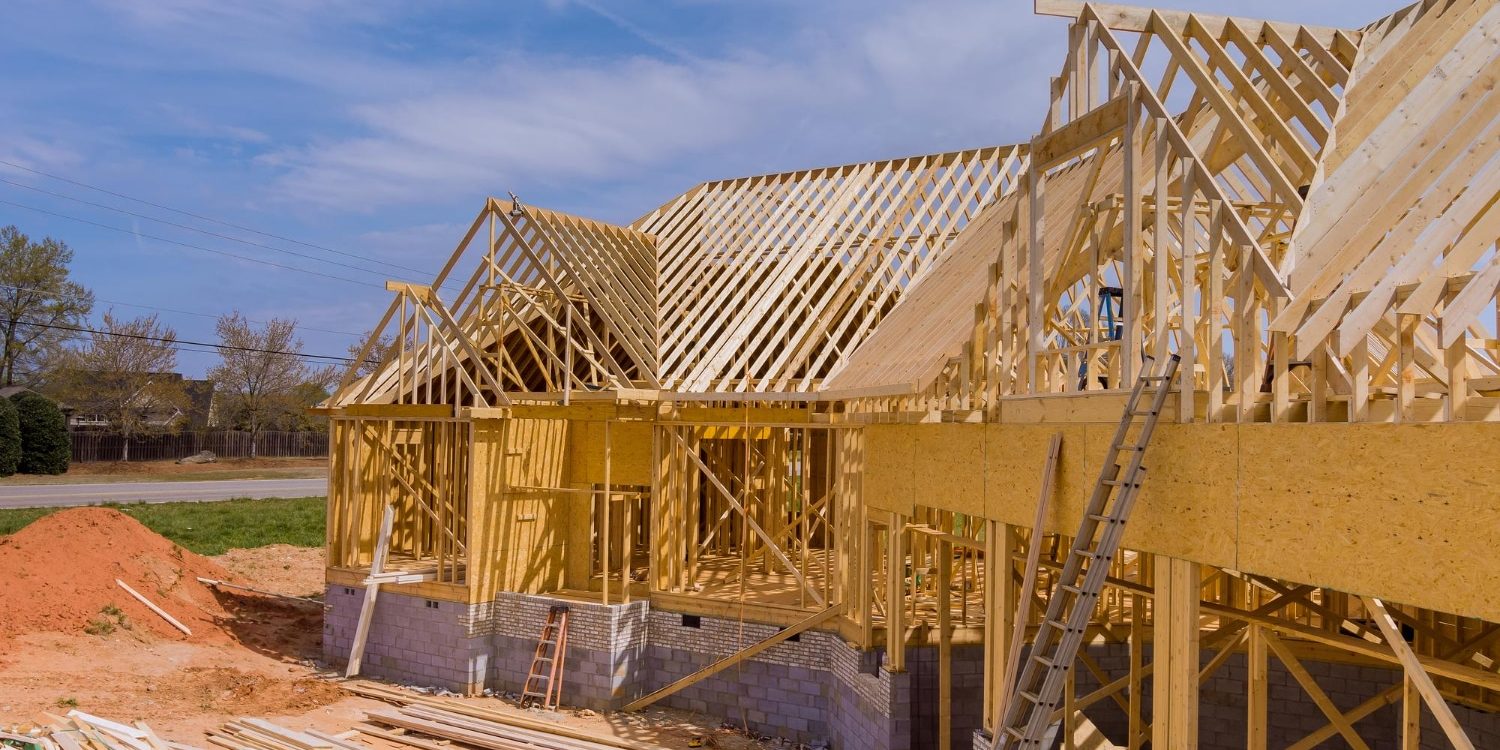
• Framing, rough-ins, and all the visible work follow once the structure goes vertical
Winter is actually a great time to begin. Crews are steady, material delays often ease up post-holidays, and work moves at a good pace before the peak months hit. Starting in January lets us hit spring with major progress already behind us.
How Hands-On Builders Make the Process Smoother
There’s a big difference between handing off your ideas to a builder and working directly with someone who listens, plans, and builds right beside you. Being hands-on isn’t just about being present during construction. It’s about being part of the early decisions and making sure what’s planned on paper gets built the way you pictured it.
• In-person planning meetings help make sense of finish options and layout changes
• Site visits during each phase show the impact of decisions in real time
• Real conversations help avoid mix-ups and keep everyone on the same page
Families often leave room in the plan to pause and think through parts of the design. That only works when builders stay close enough to guide those moments with purpose, keeping the big picture in mind without rushing things.
Building in Sync With the Land and Lifestyle
Custom homes here work best when they fit both the land and the life a family wants inside them. Good planning shows up later in the comfort of the space. That means mornings filled with soft light in the right rooms. Shade in the afternoon exactly where you want it. And materials under foot that still feel right years after move-in.
• We build with the weather in mind, using what each season offers to keep homes balanced
• Design meets daily life when rooms open the right way, views land where they should, and light falls just right
• The whole process flows best when questions show up early and get answered before it causes stress
Building a luxury home in the Texas Hill Country takes more than good taste. It takes patience, care, and a deep understanding of how planning and place work together. When that happens, the result feels like it belongs, right where it is.
If you’re thinking about taking the next step toward a custom home that fits life in New Braunfels, Texas, the right starting point is seeing what details matter most. From porch layouts to outdoor materials, every part of the design should work with its surroundings. Our past builds show how thoughtful choices can bring out the best in this region. Take a closer look at how we approach luxury home construction in the Texas Hill Country. When you’re ready to start planning, contact us to talk through what’s possible.